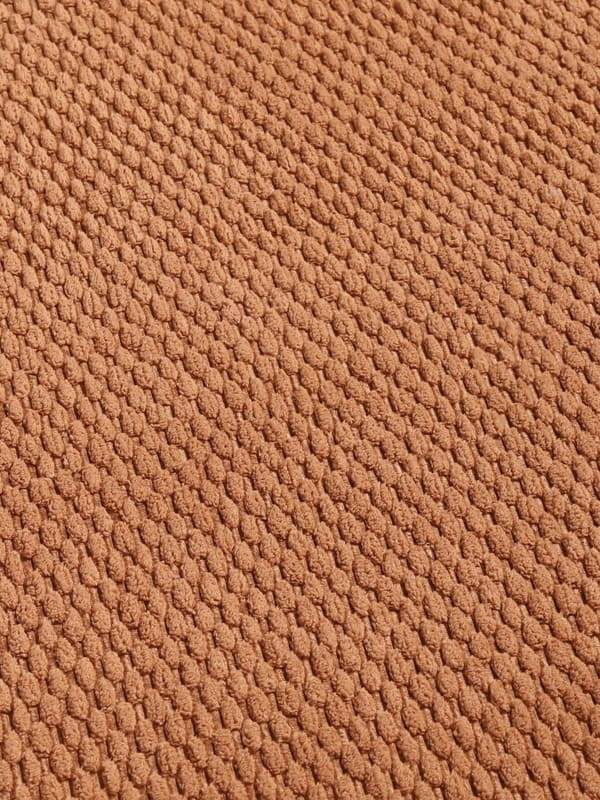
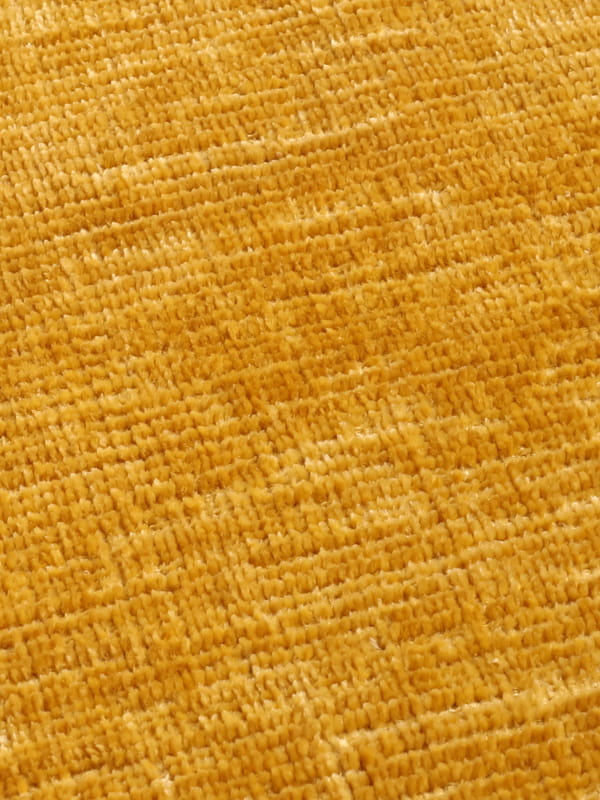
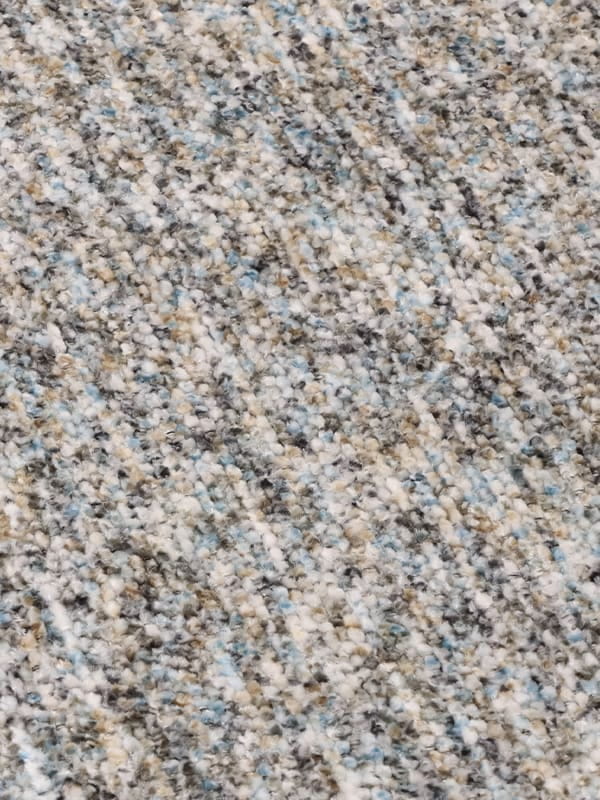
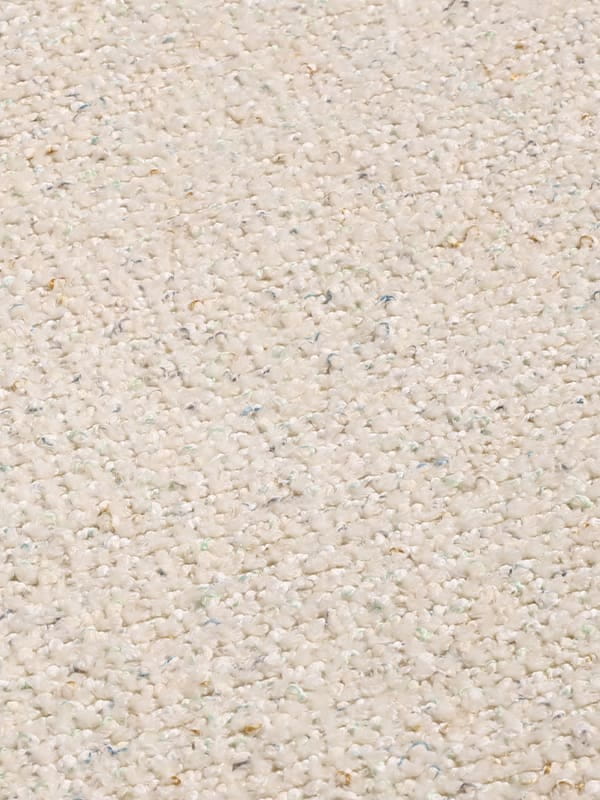
In the realm of interior design, the selection of upholstery materials is critical to achieving a blend of aesthetics, durability, and comfort. Among the myriad options available, patterned chenille upholstery fabric has emerged as a favored choice for designers and homeowners alike. This fabric not only offers an elegant appearance but also delivers performance characteristics that cater to both residential and commercial applications.
Understanding Patterned Chenille Upholstery Fabric
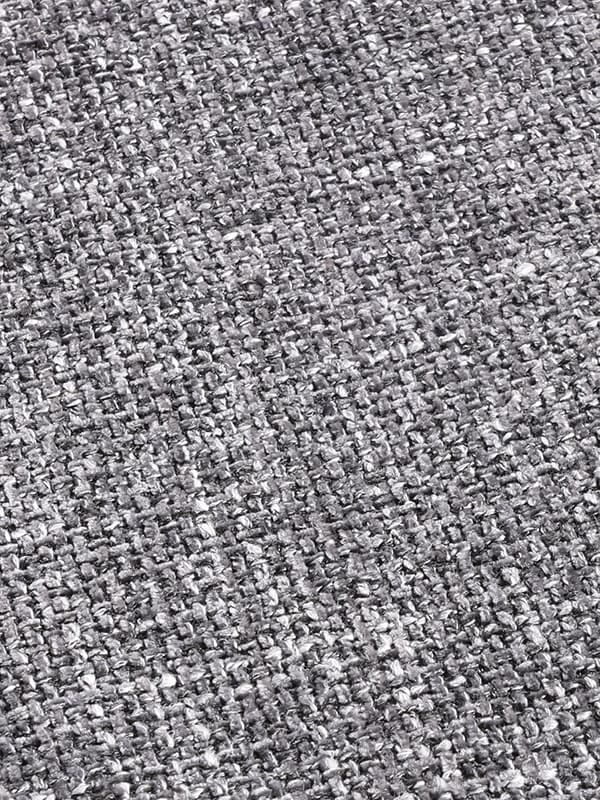
Chenille is a type of fabric known for its soft, plush texture and distinctive raised pile. The term “chenille” itself derives from the French word for “caterpillar,” reflecting the fabric’s fuzzy, caterpillar-like appearance. Patterned chenille upholstery fabric takes this classic material one step further by integrating intricate designs through weaving or jacquard techniques. This results in fabrics that are not only visually appealing but also highly versatile, capable of complementing various interior styles—from contemporary minimalism to traditional luxury.
High-quality patterned chenille typically combines natural fibers like cotton or wool with synthetic fibers such as polyester or acrylic. This blend enhances durability, resistance to wear and tear, and color retention. For upholstery applications, these qualities are crucial, as furniture fabrics must withstand daily use without compromising on aesthetics or comfort.
Key Characteristics and Advantages
-
Luxurious Texture and Comfort
Patterned chenille upholstery fabric is celebrated for its exceptionally soft and plush feel. The raised pile creates a tactile experience that enhances seating comfort, making sofas, chairs, and cushions more inviting.
-
Visual Appeal
With diverse patterns, from geometric motifs to floral designs, patterned chenille adds depth and sophistication to interior spaces. The ability to produce both subtle textures and bold, intricate patterns allows designers to tailor fabrics to specific stylistic preferences.
-
Durability and Performance
Combining natural and synthetic fibers improves resistance to abrasion, pilling, and fading. Many patterned chenille fabrics also undergo specialized treatments to enhance stain resistance, making them suitable for high-traffic areas.
-
Customizability
One of the major advantages of patterned chenille is its adaptability. Fabrics can be woven in different pile heights, densities, and patterns to meet unique design requirements. This customizability is particularly valuable in commercial projects such as hotels, restaurants, and corporate offices.
-
Easy Maintenance
Unlike delicate fabrics, patterned chenille upholstery fabric can often be cleaned with simple vacuuming or spot cleaning, maintaining its appearance over time without extensive maintenance efforts.
Production Techniques and Industry Insights
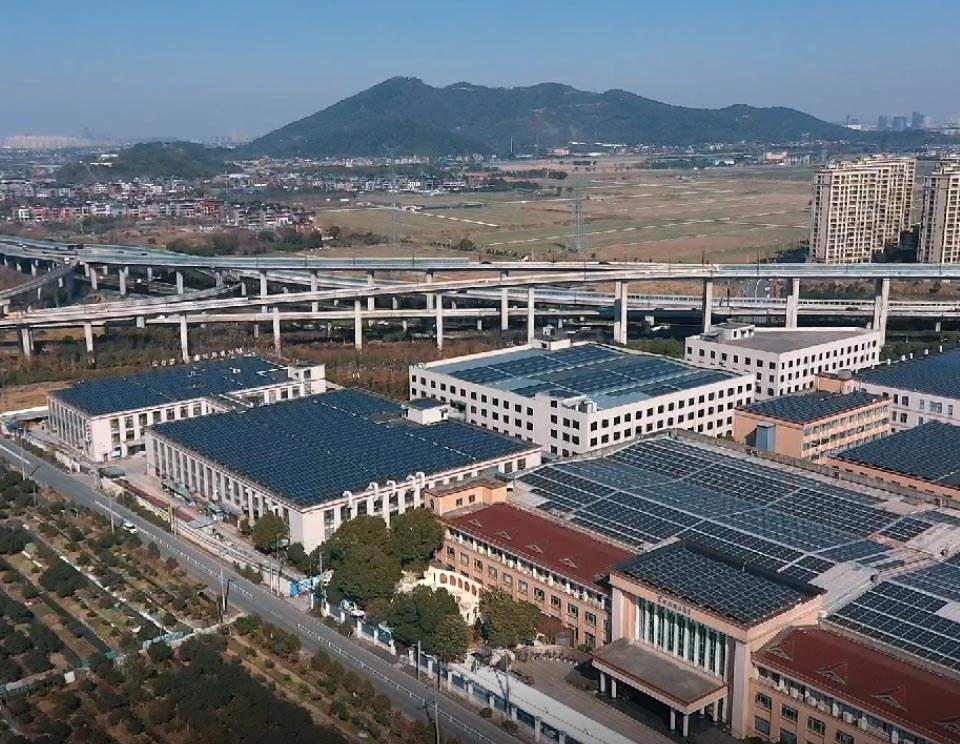
The manufacturing of patterned chenille upholstery fabric involves sophisticated weaving technologies. Jacquard and dobby weaving machines are commonly used to achieve complex patterns with high precision. Hangzhou Hangrun Textile Co, Ltd. employs 42 imported jacquard weaving machines and 40 dobby machines in its weaving workshop, achieving an annual capacity of 6,000,000 meters of high-quality fabric. Such advanced equipment ensures consistency in pattern clarity, fabric strength, and surface finish.
The stitching workshop at Hangrun is equipped with more than 30 stitching machines, capable of producing 150,000 finished products per month, including cushions, ready-made curtains, throws, and table runners. Additionally, the company operates two non-woven product lines with an annual production of 3,000 tons, highlighting the comprehensive scope of their textile capabilities.
Design innovation is also central to the production of patterned chenille upholstery fabric. Hangrun has a dedicated design team, currently managing 8 unique designs, ensuring that their fabric offerings remain aligned with market trends and consumer preferences.
Applications Across Interior Spaces
Patterned chenille upholstery fabric is versatile, serving multiple applications across residential and commercial interiors:
- Furniture Upholstery: Sofas, chairs, and benches gain durability and aesthetic appeal through patterned chenille, making them both functional and stylish.
- Cushions and Throws: The fabric’s softness enhances comfort, while patterns contribute to visual interest.
- Curtains and Drapes: Chenille patterns can introduce texture and depth to window treatments, complementing the overall décor.
- Commercial Interiors: Hotels, lounges, and offices often utilize patterned chenille for seating areas and decorative elements due to its resilience and elegant appearance.
Market Trends and Consumer Preferences
As consumer awareness of interior quality rises, demand for high-performance, aesthetically versatile fabrics has grown. Patterned chenille upholstery fabric is increasingly sought after for its combination of durability, comfort, and decorative value. Current trends favor eco-friendly fibers, fade-resistant dyes, and fabrics that support easy cleaning without sacrificing softness. Hangzhou Hangrun Textile Co, Ltd. has invested in updated equipment, consistent quality control, and innovative designs and is well-positioned to meet these changing market demands.
Customization is another emerging trend. Customers increasingly seek fabrics that reflect personal style or specific thematic concepts, rather than generic designs. Companies capable of providing tailored solutions, competitive pricing, and reliable shipping are gaining a strategic advantage. Hangrun’s ability to offer customized fabrics, bulk discounts, and large-scale production capabilities demonstrates how a well-equipped manufacturer can satisfy diverse client requirements efficiently.
Key Considerations When Selecting Patterned Chenille Fabric
When sourcing patterned chenille upholstery fabric, several factors should be evaluated to ensure optimal product performance:
- Fiber Composition: Ensure a suitable blend of natural and synthetic fibers for durability and comfort.
- Pattern Design: Select patterns that harmonize with the intended interior style and furniture.
- Pile Height and Density: Consider the texture preference and expected wear; higher pile provides plushness, while denser weaves offer longevity.
- Maintenance Requirements: Choose fabrics that align with cleaning capabilities and environmental exposure.
- Manufacturer Capabilities: Work with suppliers capable of meeting volume, quality, and customization needs reliably.
Conclusion
The patterned chenille upholstery fabric represents a synthesis of aesthetic elegance, tactile comfort, and durable performance. Its versatility in pattern, texture, and application makes it a premier choice for both residential and commercial interiors.


 زبان
زبان